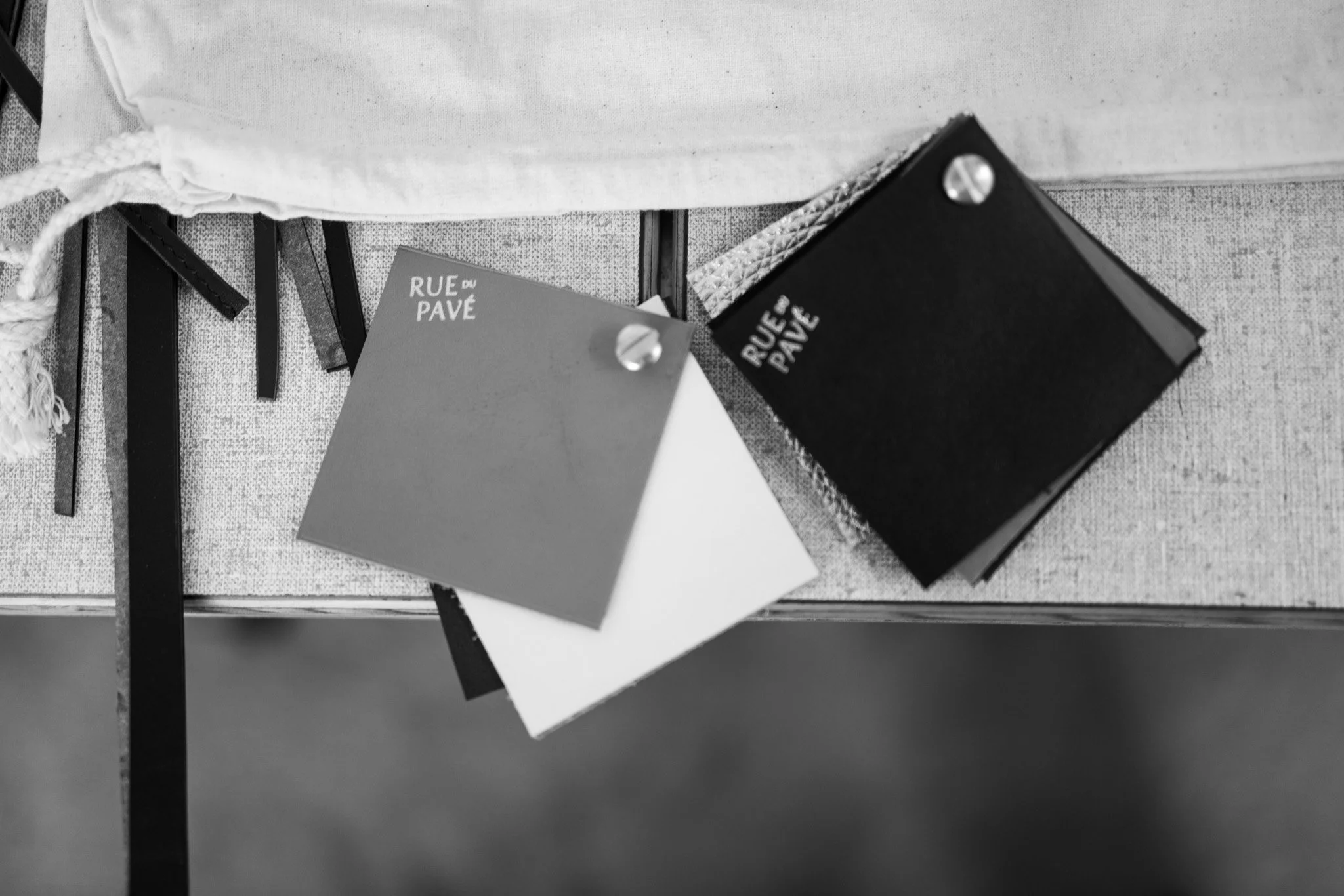
RUe du pave - CLEMENCE LEBEC
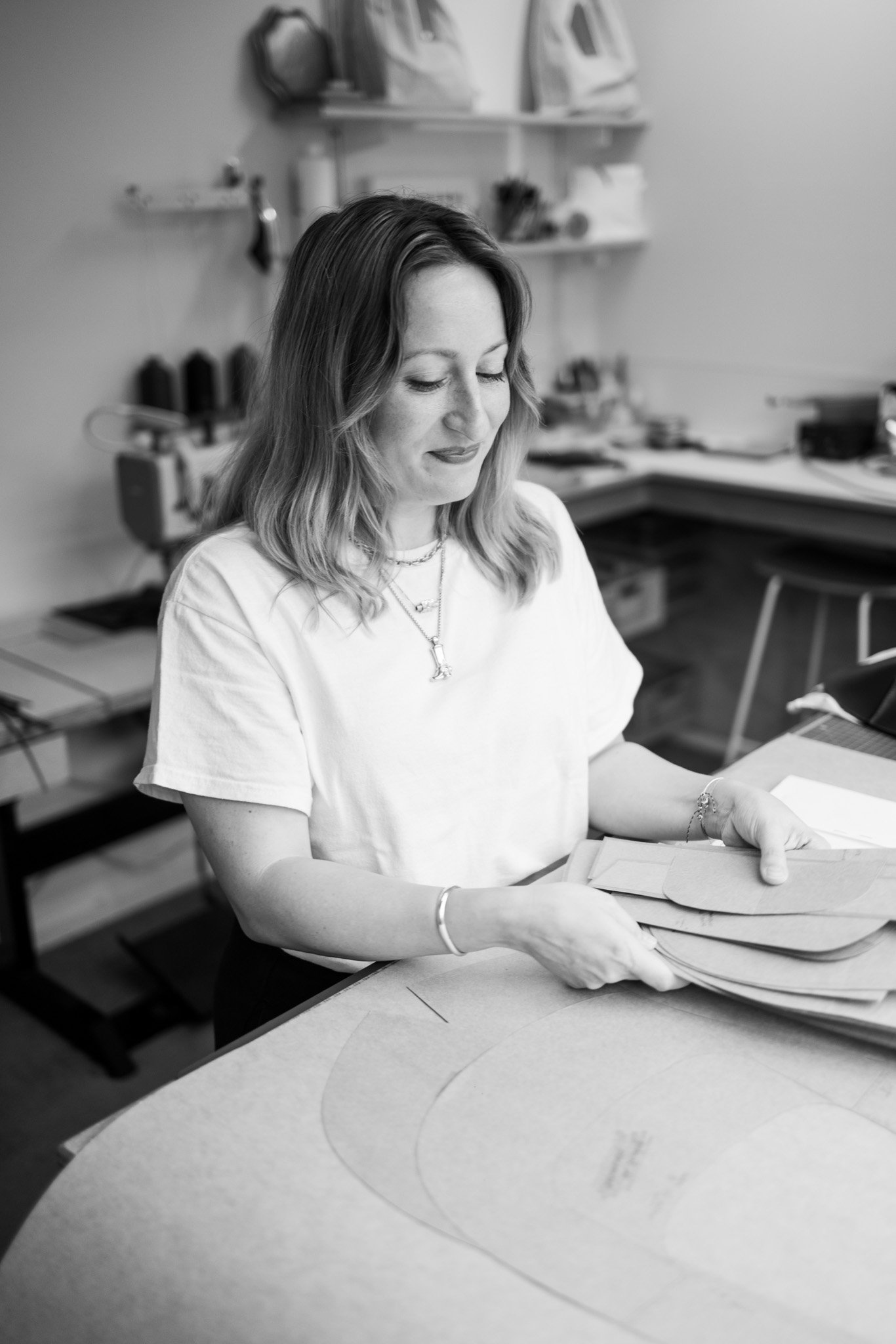
Can you tell me about Rue du Pavé and your grandmother?
Today, Rue du Pavé is my studio practice. It’s a place for self-expression through the medium of leather accessories, creating made-to-order pieces that celebrate individuality.
Rue du Pavé was the street name of my grandparents’ home in the Champagne region of France. They both worked in the vineyards and caves, my grandmother as a forklift driver! Despite the hard labour, she had a passion for fashion, especially handbags. Her boss would resell her expensive clothing, giving her a way to enjoy the finer things she couldn’t otherwise afford.
Mamie had a gift for reinvention and antiques: she constantly refreshed the house with new wallpapers, rearranged the furniture, and would rise at dawn to drive to the best flea markets. When she retired, she took up painting, joining a local art club with other ‘old ladies’ though she never liked being called one. She didn’t care about being very good at anything; she just loved making things. Her atelier spread across the whole house.
Over 65 years, Papy and Mamie turned their home into a living canvas: always evolving, never quite perfect. I grew up in this house, spending hours crafting alongside her. She was the most patient grandma, endlessly encouraging, never minding the mess we made, and always celebrating whatever talent we might (or might not), have, ahah.
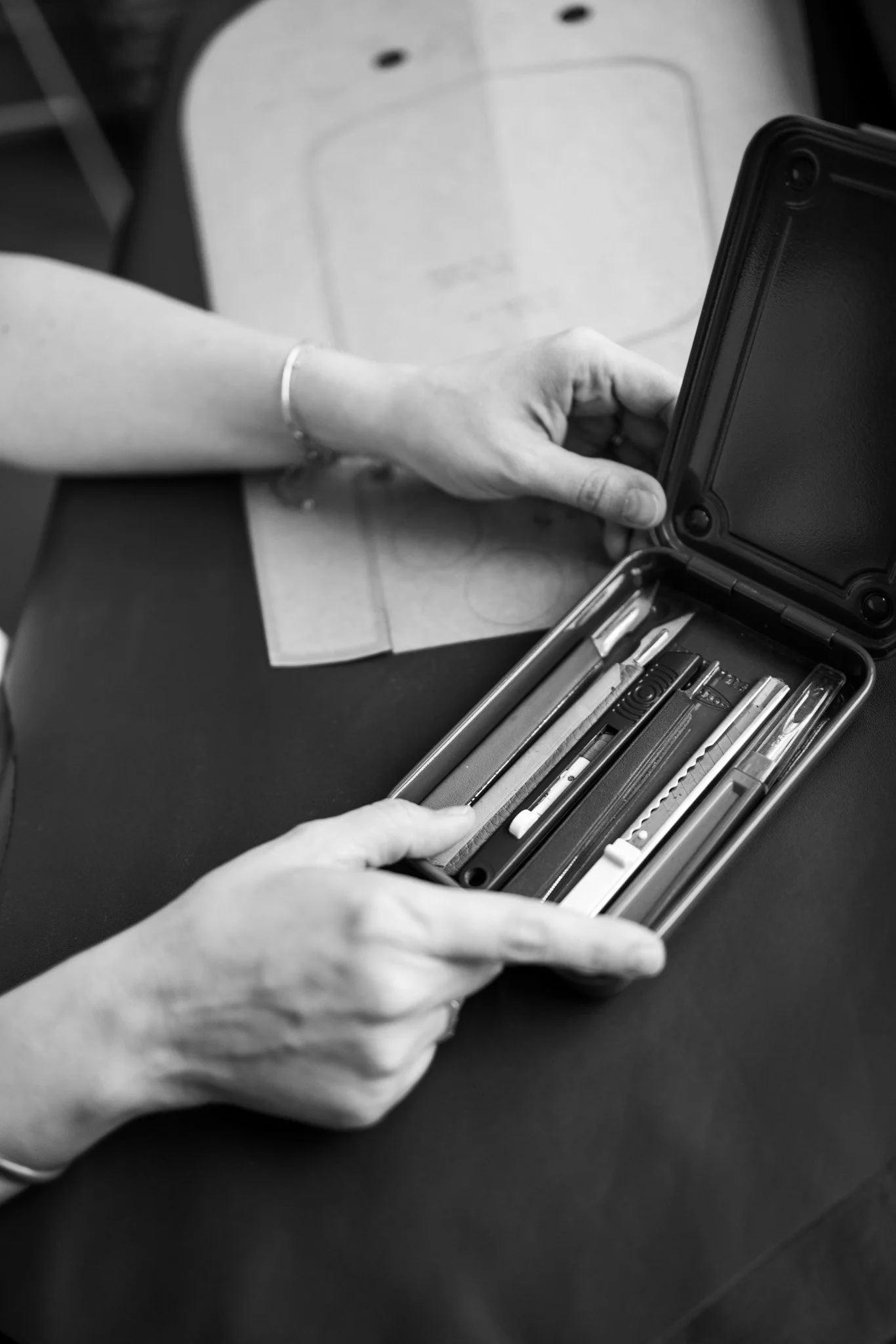
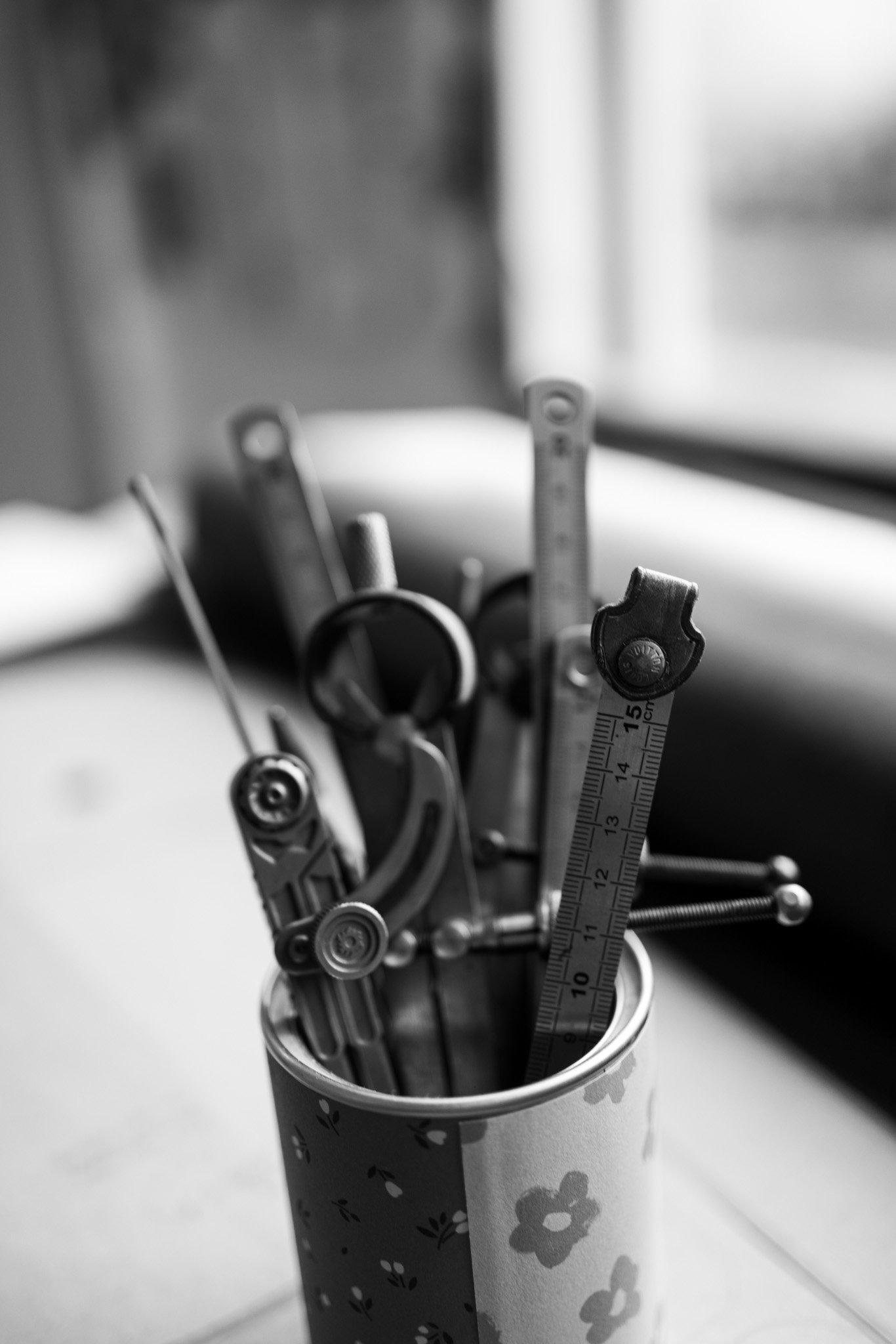
During our shoot, you mentioned going to a trade school and how it was a bit like the Tour de France, where you would travel to different towns and spend hours working on your craft. How do you think that time in your life shaped the way you approach your craft and career?
I started working when I was 18, right after high school, driven by a desire for independence. I heard about a trade school and thought I could try working with my hands, so I sort of randomly picked leatherwork. I spent the whole summer looking for a company that would hire me as an apprentice, that’s how I began the first two years of my career, living in a motel room and working for a Chanel subcontractor. The work was quite repetitive, and my schedule was intense: six weeks at work, then two weeks at trade school for two years, traveling 900 km one way by train to Marseille.
That trade school trains some of the best artisans in France in a very focused way, where your entire life revolves around your craft. After my apprenticeship, I realised I didn’t want to spend my life in a production factory, so I decided to continue at the school and do what they call the “Tour de France.” Essentially, you live at the trade school, the schools have houses in every city that can host up to 200 students. You study the craft after work and on weekends while still working as a normal employee during the day, and every year you move to a new company in a different city. It’s very intense! At the time, there weren’t many women at the school, which made it even more important to prove you deserved your spot.
That experience completely shaped how I approach my craft and my career: it taught me discipline, curiosity, and the value of fully immersing yourself in the things you love.Today, I have so much compassion for my younger self, thinking about how hard it was to start working so intensely at such a young age.
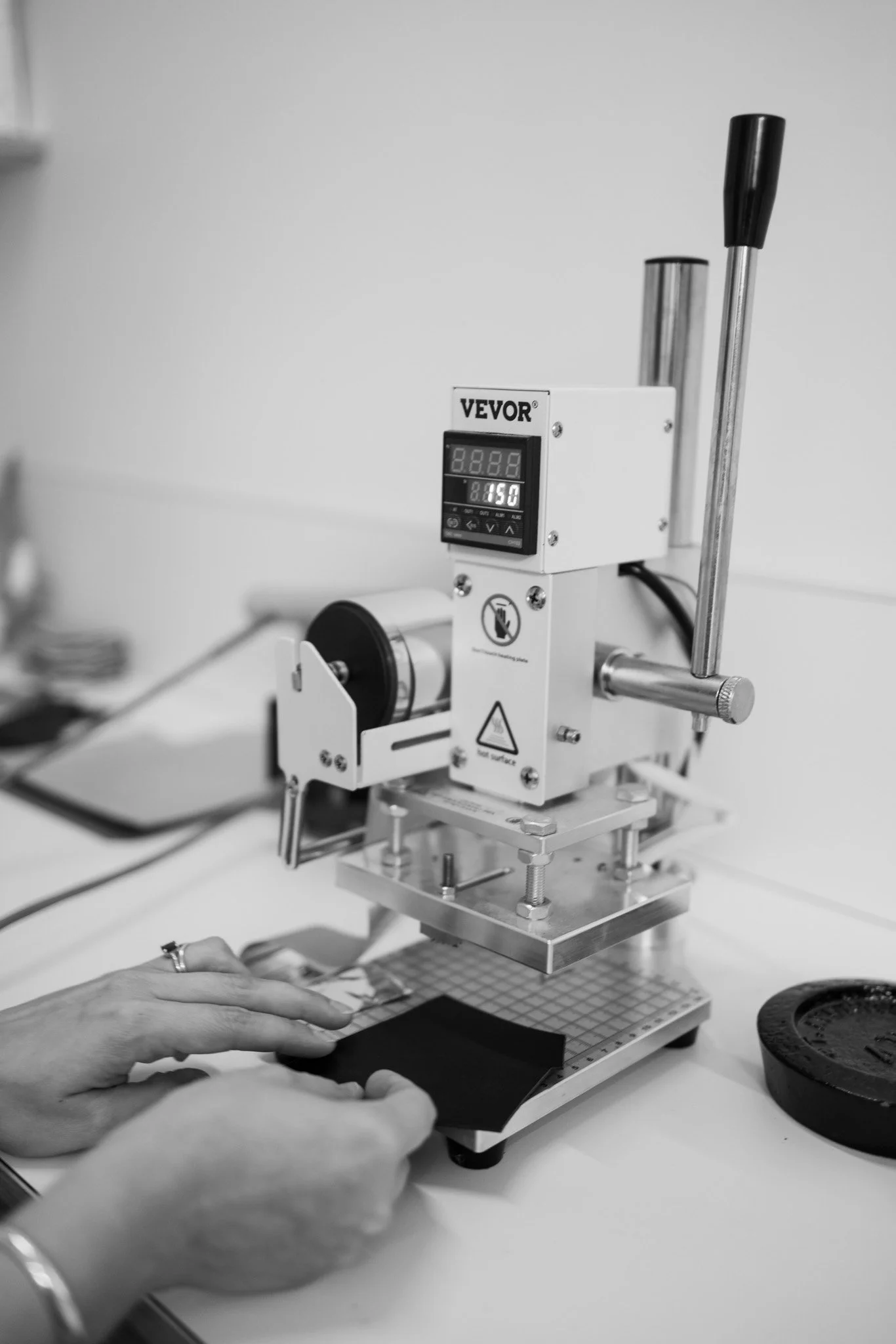
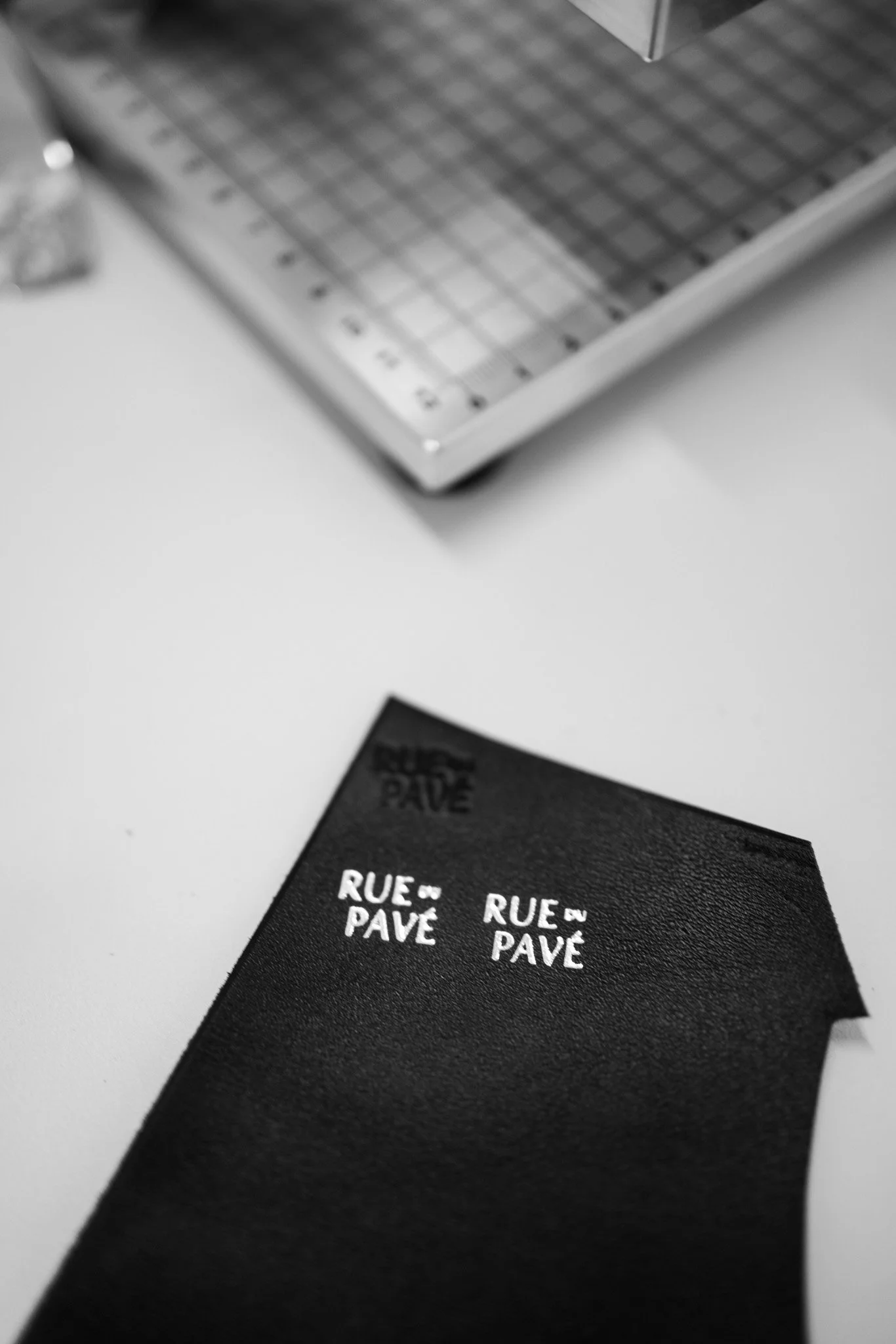
How long have you been working with leather?
Since I was 18, so basically… 17 years !
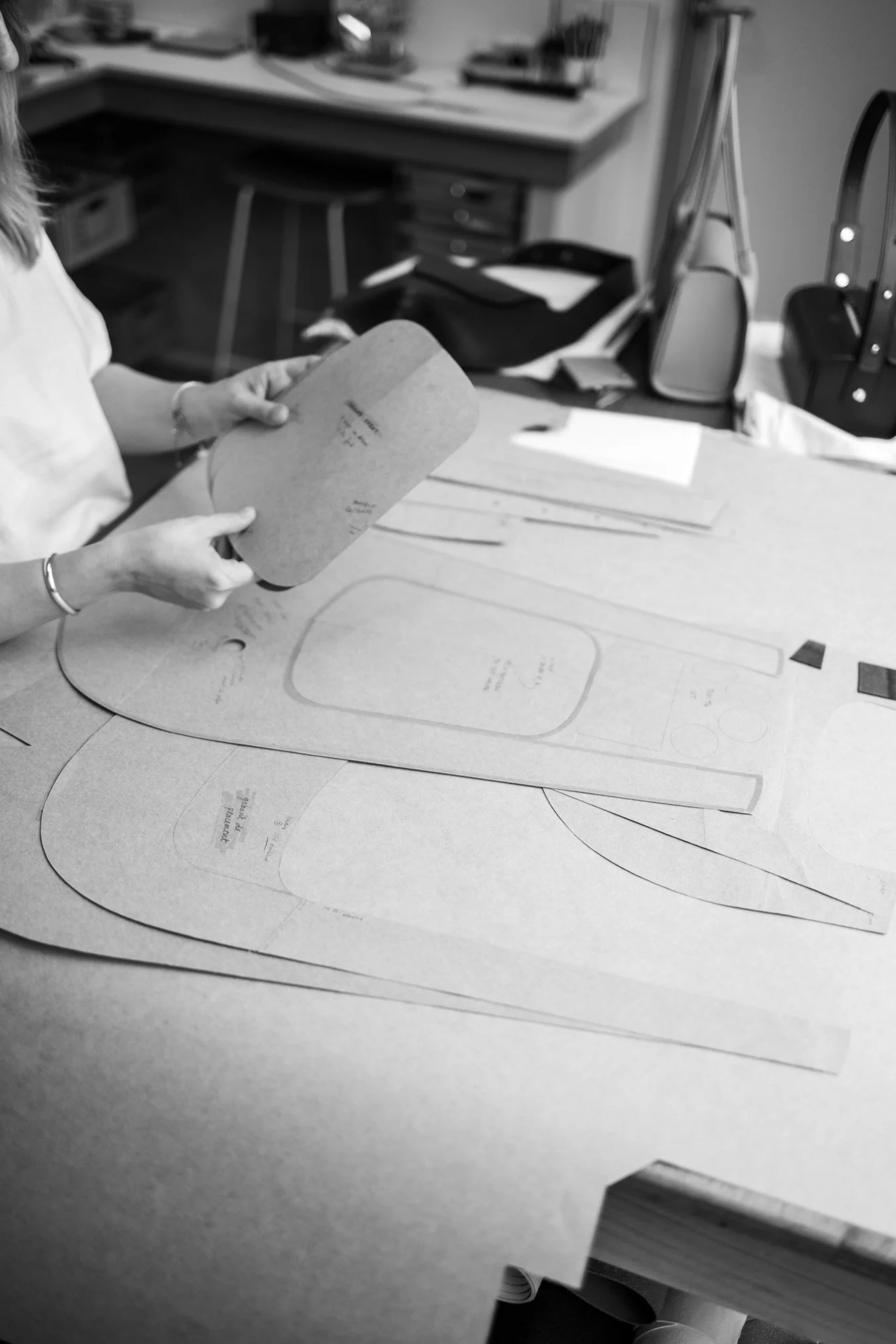
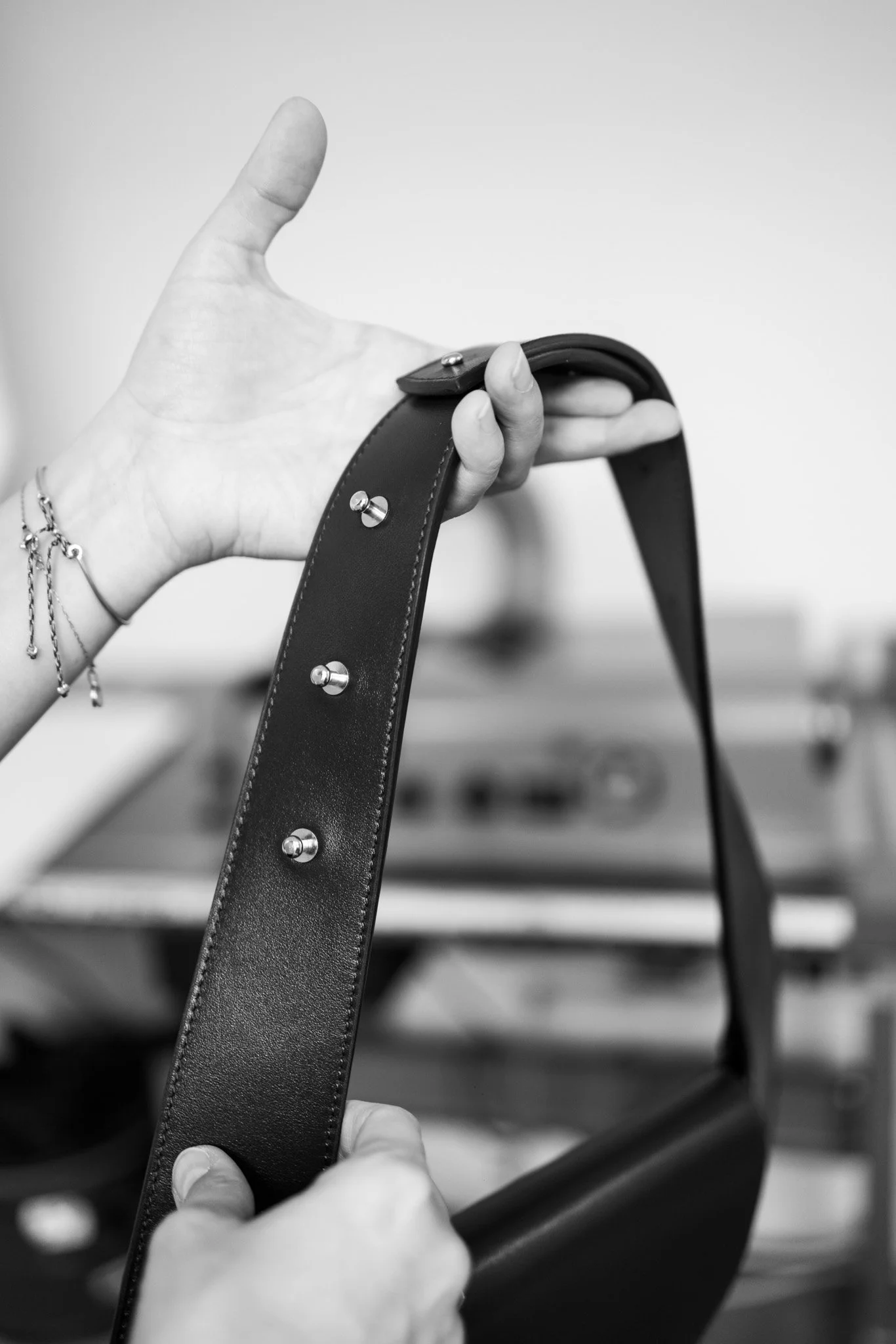
What was it like working for luxury brands like Chanel and Hermès?
It was a very different experience for each brand. When I started as an apprentice at Chanel, I didn’t fully understand the scope of leatherwork; you could be a factory worker, a workshop manager, or work in quality control or repair, among other roles. For me, it was the technical and creative side that mattered most. I’d heard of prototyping and decided that’s what I wanted to do. When I was 24, I moved to Qatar for a year as a junior prototypist and discovered that I truly loved this aspect of the work. Working out all the technical details, from sketches to production, was fascinating.
My goal was always to work for Hermès Petit H, and I did everything to get an interview. Finally, I got the job, and those years were the most formative of my career. I was so happy there, it was creative, beautiful, and exactly as you imagine Hermès to be. I was still very young, though, and after almost three years with some of the best artisans I’ve ever met, I decided it was time to travel and explore new experiences but this experience still continues to shape my work today.
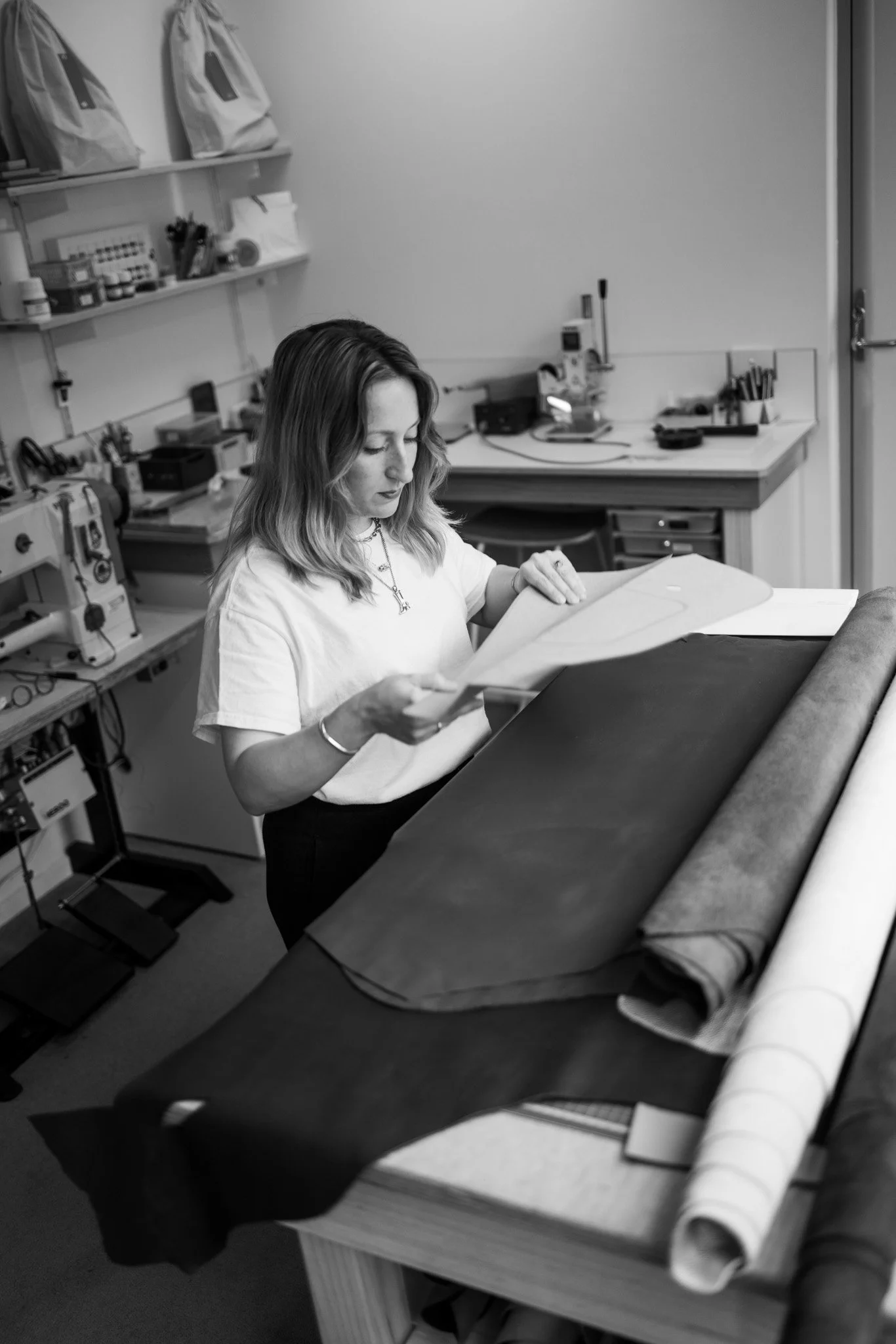
I’ve been thinking about how, when I’m documenting, I find myself in a complete state of flow. There’s no noise in my head—it’s completely still. Do you feel this when you’re in your studio, working on Rue du Pavé bags?
Being an artisan can be a solitary undertaking, but it gives me a deep sense of achievement and fulfilment. There’s a peace of mind in that space, it feels like the world falls away. There’s also the satisfaction of making all the technical details work or creating a new design, a challenge that gives me constant stamina. Over time, when the work almost feels natural, it brings a quiet confidence, like it’s part of you. Nothing else gives you that.
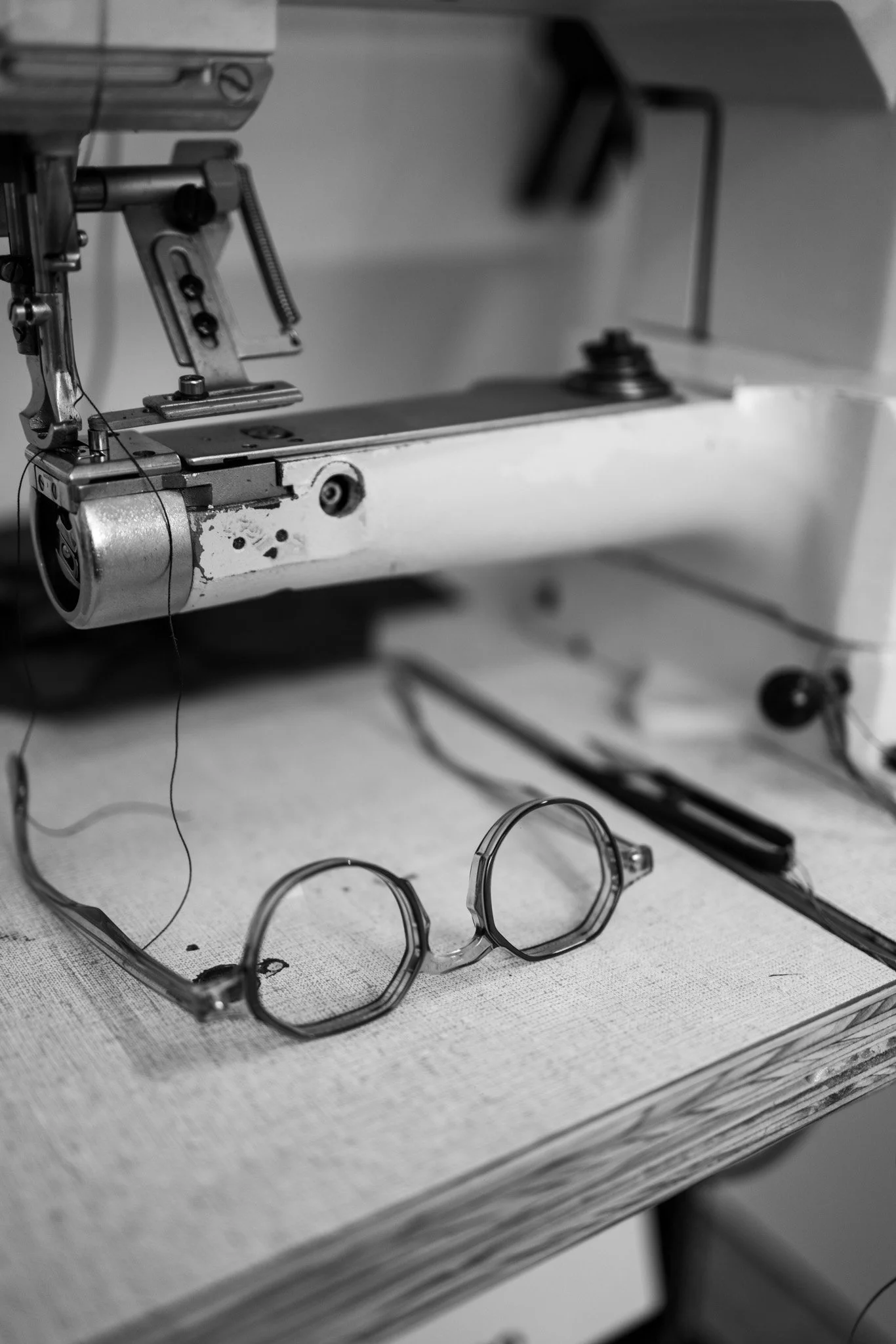
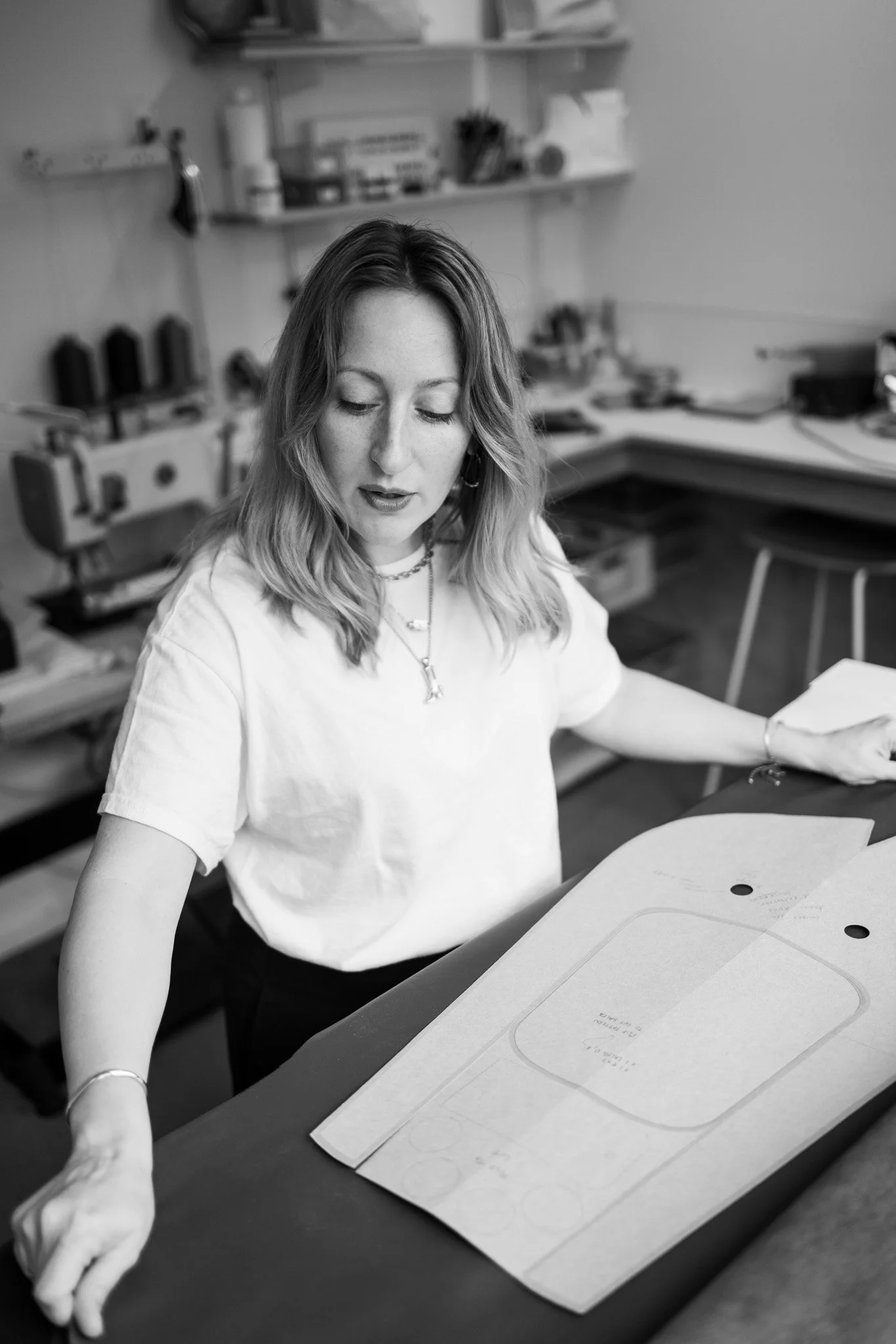
It’s such a special experience to have something custom-made for you. In today’s climate, do you think people are craving more personal and meaningful shopping experiences?
Since starting my own atelier, I’ve realised how much my clients value the handmade and exclusive nature of my handbags. There’s something about creating with your hands that inspires people, it almost gives them permission to slow down, even just for a moment. It’s a quiet reminder of the value of time and patience. People are happy to wait for something unique.
Coming to the atelier is part of the experience, not just about the bags. More than ever, people are craving encounters and moments that feel real. You can see it in the way they respond to what you document with Pardu: they want to feel, they’re curious, and they want to experience something authentic and meaningful, a moment that feels stopped in time.